Ships across Canada from Vaughan, ON | Mon–Thu 9am–5pm | Fri 8am–Noon

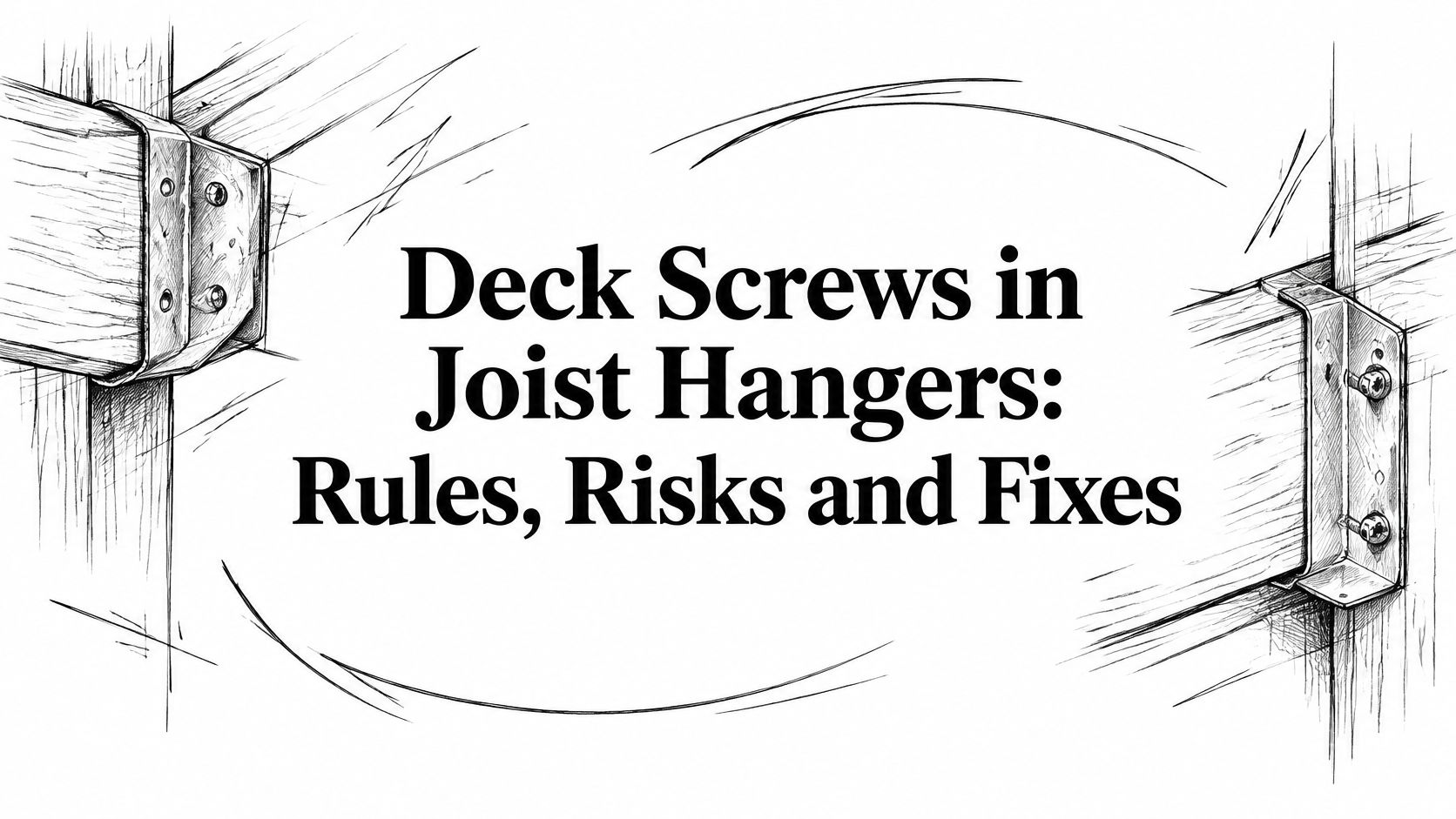
Deck Screws in Joist Hangers: Rules, Risks and Fixes

Ordinary deck screws are not acceptable in joist hangers unless the hanger's listing or manufacturer instructions specifically name that screw. Use the listed fastener, not whichever exterior-rated screw looks strongest or happens to be in your toolbox. The familiar advice to use galvanised screws outdoors misses the important distinction. Corrosion protection keeps metal from deteriorating; […]
Deck Screws or Nails for Every Connection

The most popular deck advice is simple, and it is wrong. Swap every nail for a screw and the frame will stay tight. A fatter thread and a bugle head do not make a fastener legal, or even strong, in the joint you are building. Boards, beam bearings, hangers, guards and the ledger each see […]

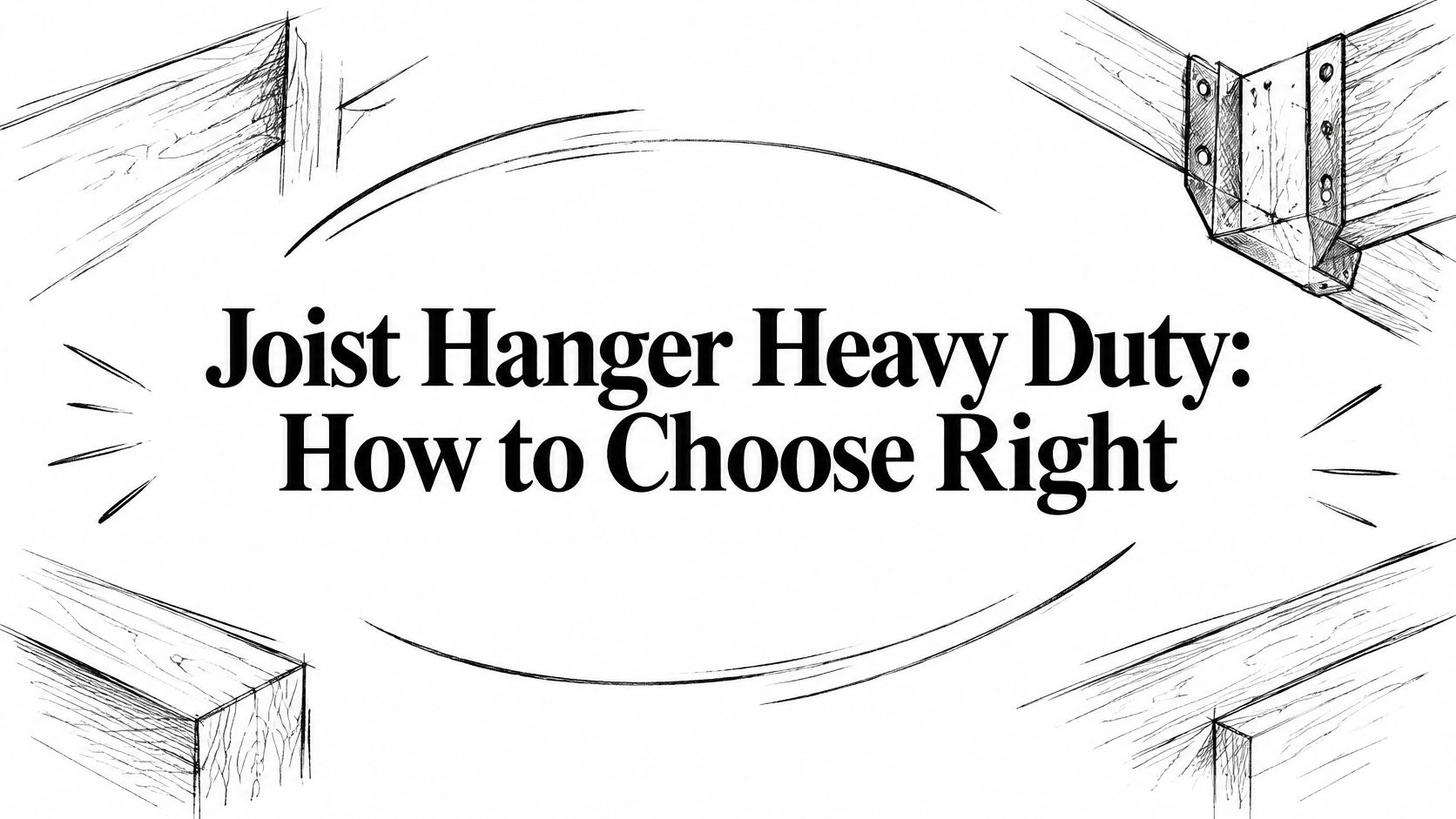
Joist Hanger Heavy Duty: How to Choose Right

Buying the thickest joist hanger on the shelf isn't a safe shortcut. A substantial bracket can still leave a ledger connection unsafe if someone squeezed a doubled joist into it, bent a flange for clearance, or drove deck screws through holes intended for connector nails. The useful question isn't how heavy the bracket feels. It's […]

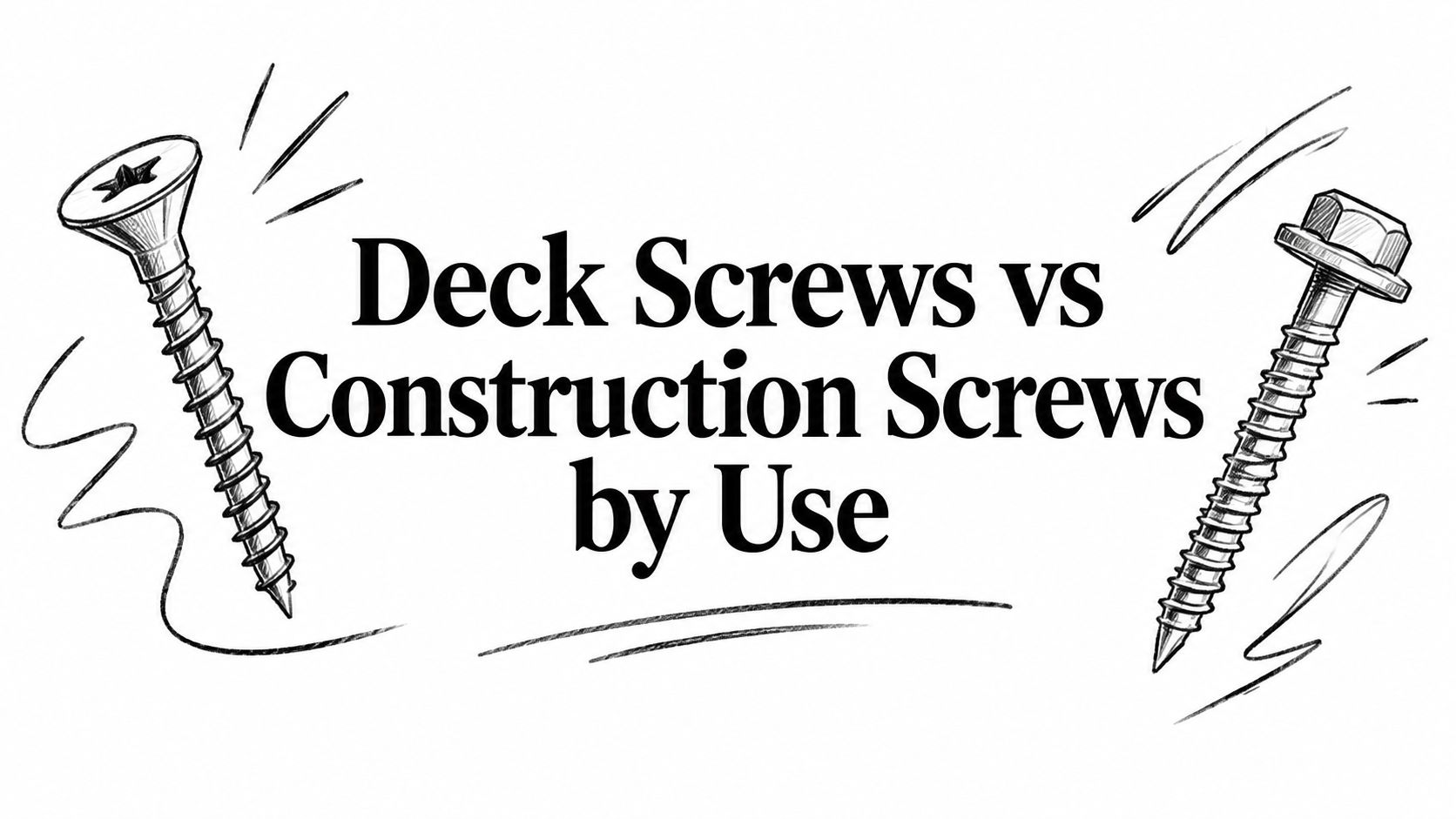
Deck Screws vs Construction Screws by Use

Stop sorting screws by the word printed largest on the box. That's the most popular advice in the aisle, deck screws for boards and construction screws for framing, and it's how good lumber ends up held by the wrong metal. I've watched boards lift because a screw lost section in treated wood, and I've seen […]

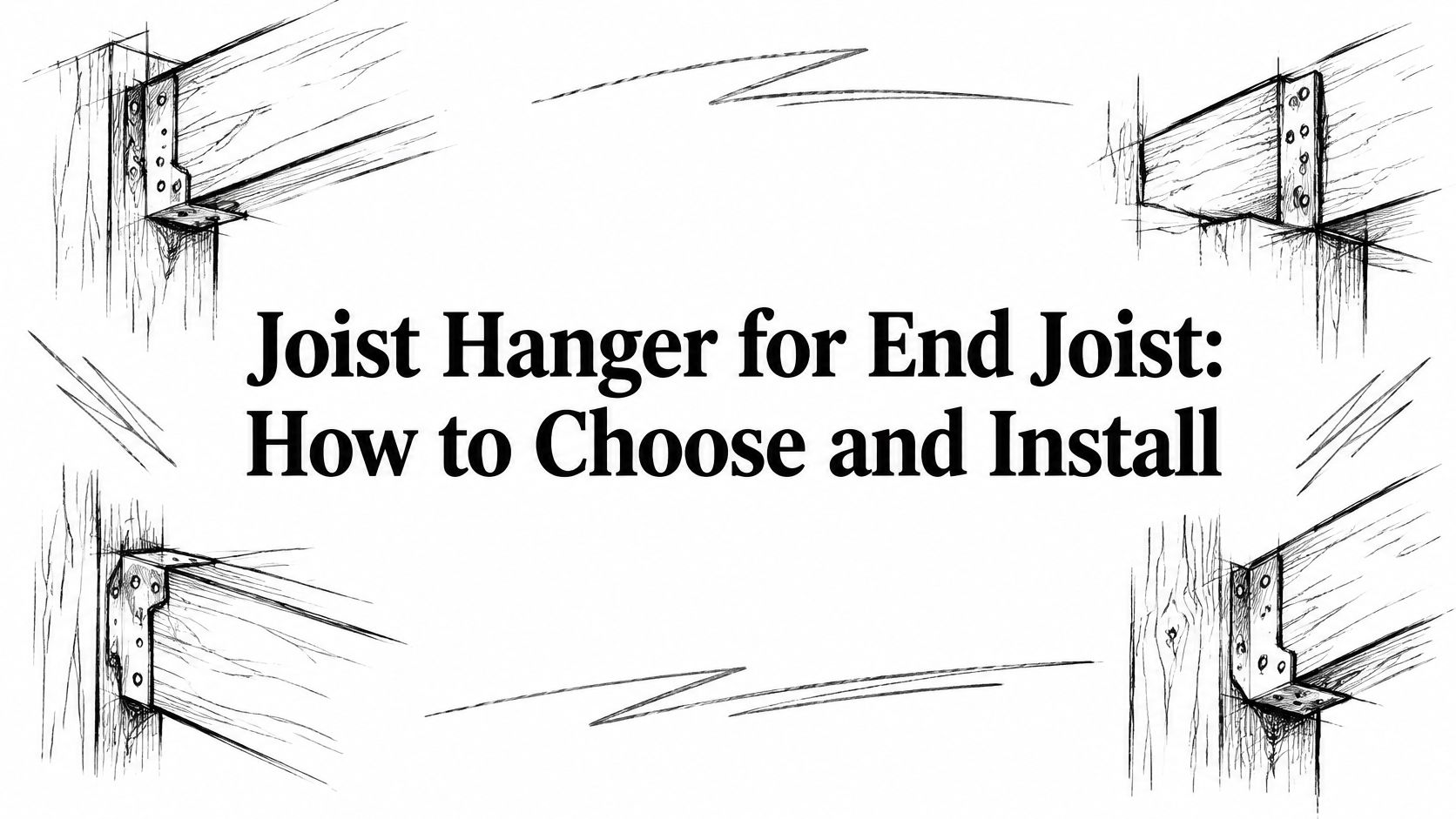
Joist Hanger for End Joist: How to Choose and Install

A deck frame can look nearly complete until you reach the last joist. It meets the side of a ledger or beam, there's no support directly beneath it, and a small amount of movement can make the end feel less secure than the rest of the frame. That's where a joist hanger for an end […]

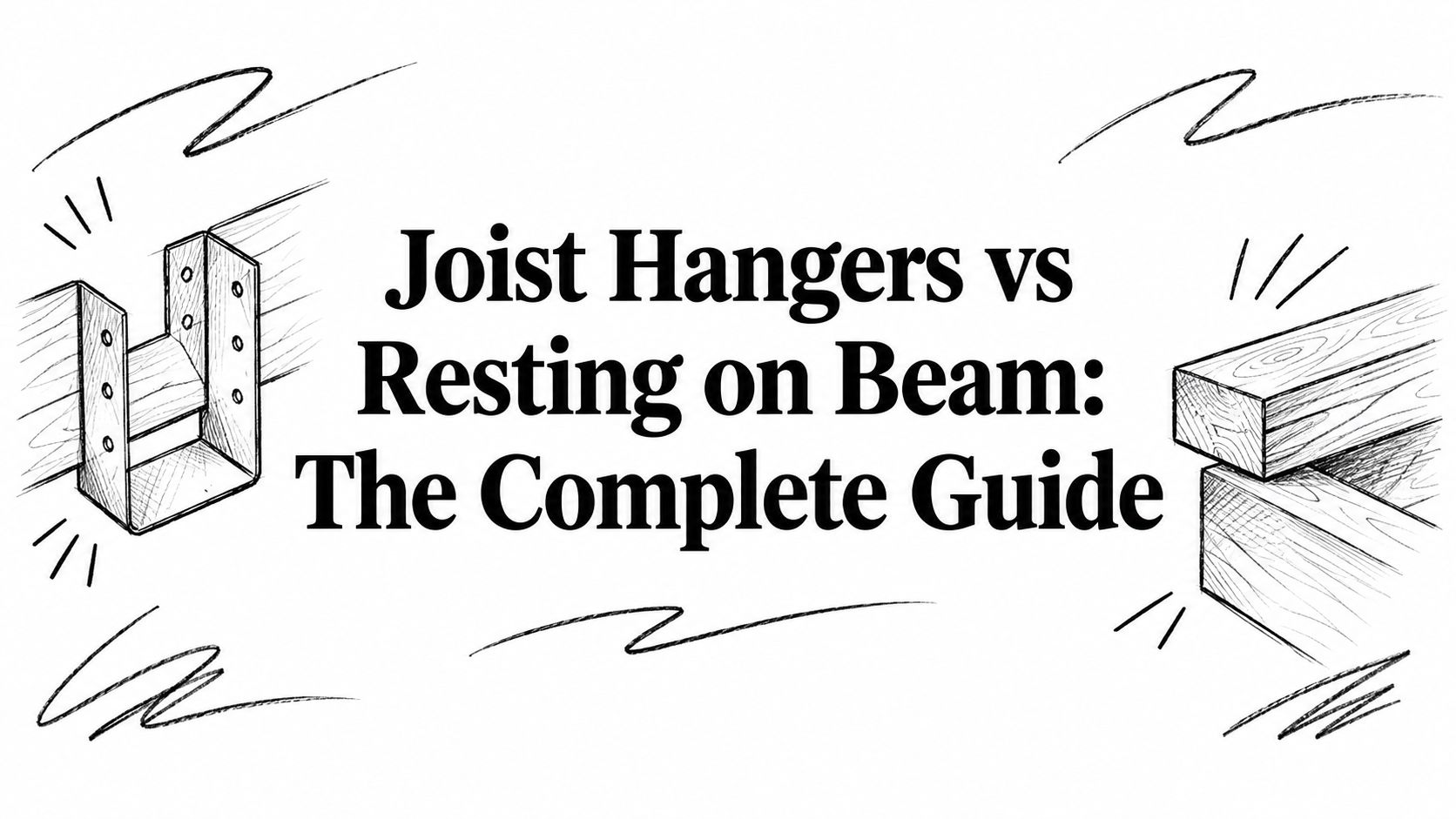
Joist Hangers vs Resting on Beam: The Complete Guide

The popular advice is simple: if a joist sits on top of a beam, you can skip the hanger. That advice is incomplete, and in California it can lead to a connection that looks solid but fails inspection or moves under real service conditions. Bearing carries vertical compression. It doesn't automatically resist sliding, uplift, rotation, […]

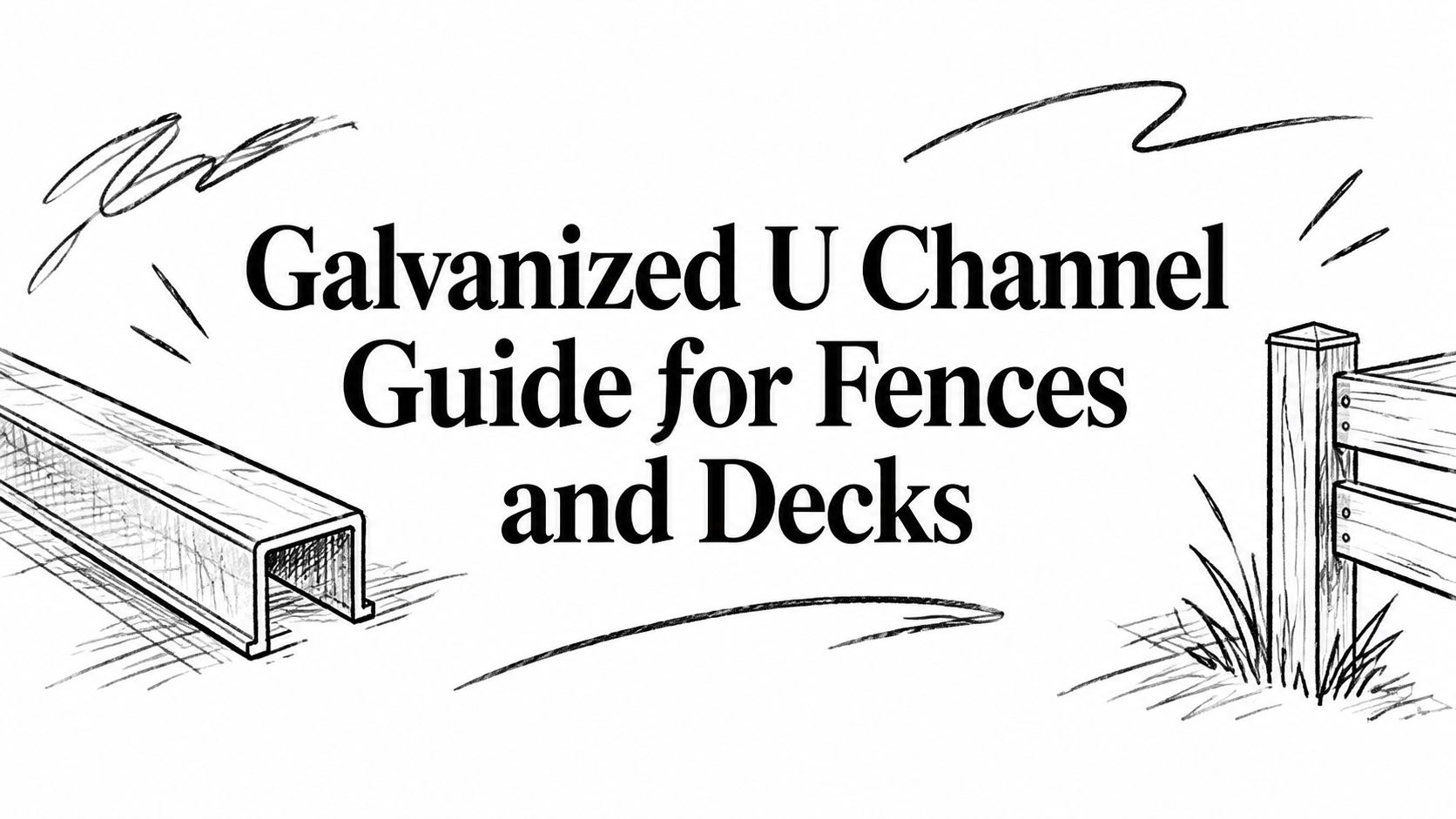
Galvanized U Channel Guide for Fences and Decks

You're halfway through repairing a fence when the post starts leaning, the rail won't sit square, and the exposed steel already shows rust around an old drilled hole. On a deck project, the same frustration appears when a joist edge needs guidance, a bracket needs a straight mounting surface, or a support member needs more […]

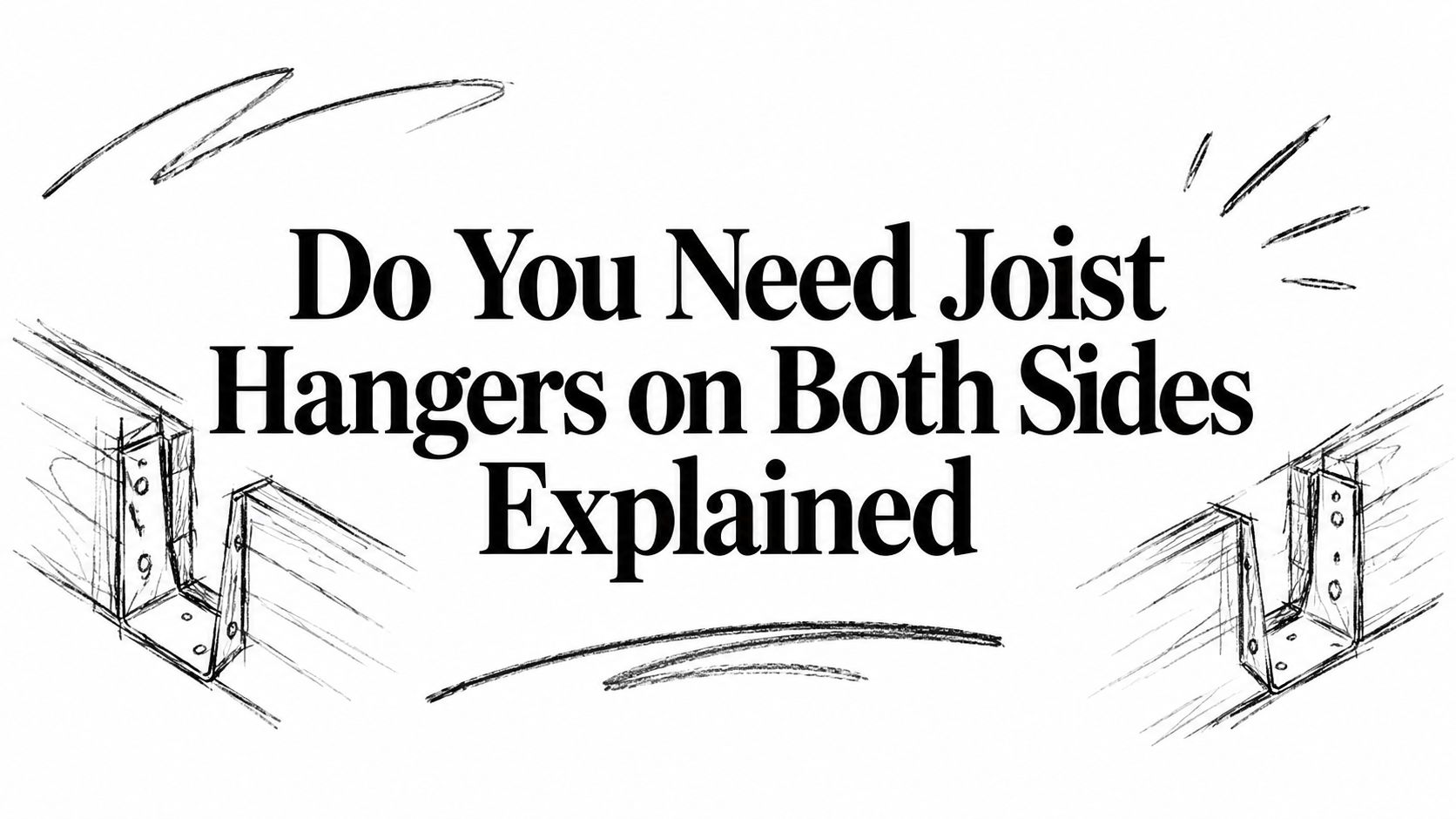
Do You Need Joist Hangers on Both Sides Explained

A joist end bearing on wood or metal needs at least 1.5 inches, while masonry or concrete requires at least 3 inches. If that bearing isn't available, an approved joist hanger is the code-backed alternative, but you don't automatically need hangers on both sides of every joist. So, do you need joist hangers on both […]

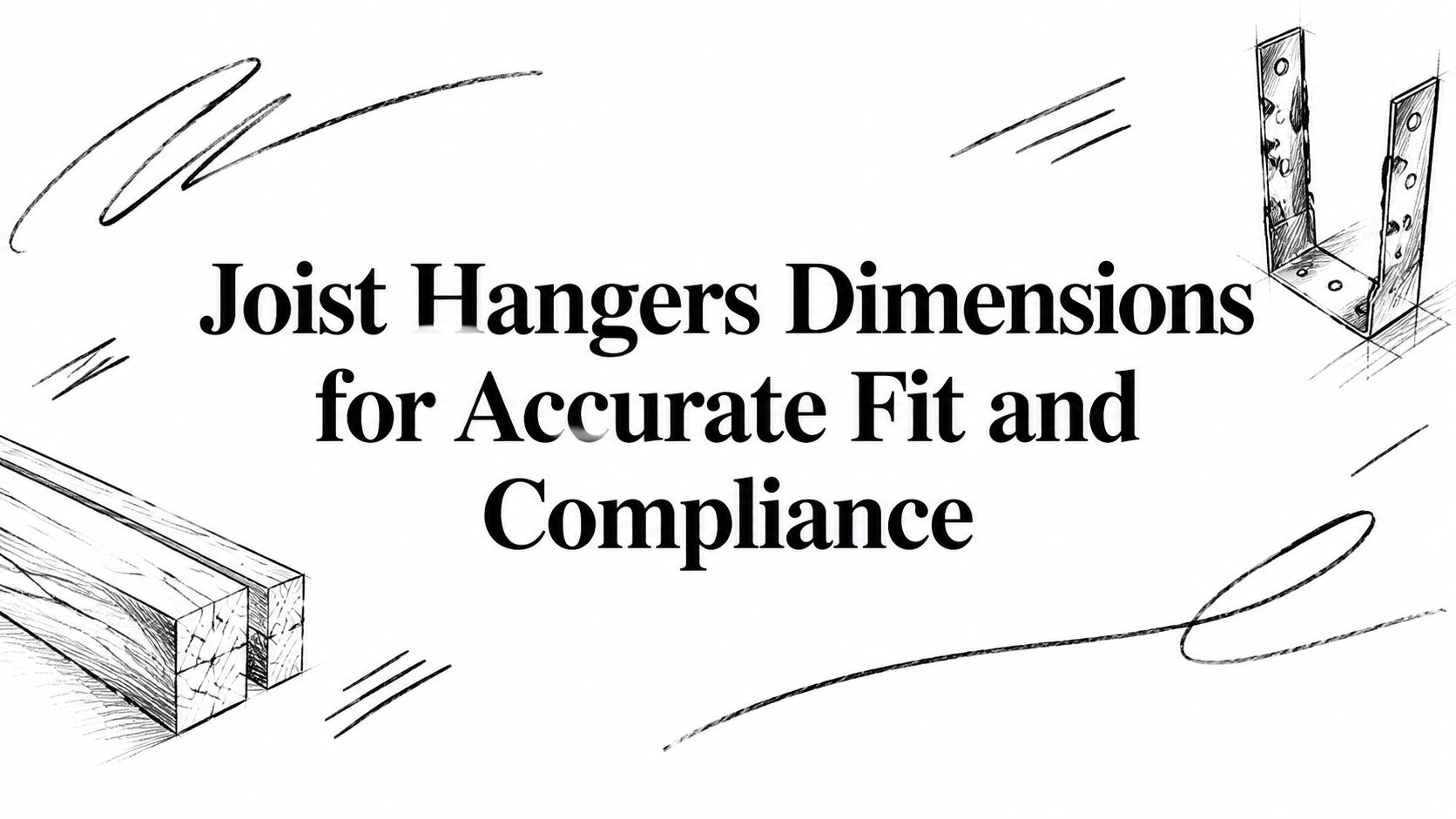
Joist Hangers Dimensions for Accurate Fit and Compliance

You're standing at the lumber rack with a nominal 2×8 joist in one hand and a hanger in the other. The label appears to match, but the steel looks too narrow, the seat doesn't reach the joist's full depth, or the nail holes land uncomfortably close to the edge. That small mismatch can stop deck […]

What Size Joist Hangers Do I Need a Complete Sizing Guide

You're on the deck with a tape measure in one hand and a hanger in the other, and the box says 2×8, but the joist you just measured is 2×10. That is the point where the simple question, what size joist hangers do I need, turns into a real jobsite decision, because the answer is […]

Easy 30 days returns

100% Secure Checkout

PayPal / MasterCard / Visa