

You're on a product page comparing two nearly identical post cap SKUs. The dimensions look right, the finish appears similar, and the price difference is small. Then you find a review from someone who installed the cap on a cedar fence, names the fastener used, and confirms that it fit the actual post. That detail often resolves the uncertainty faster than another paragraph of feature copy.
For a Canadian hardware retailer, customer testimonials are a practical trust asset, not decorative marketing. They help shoppers judge fit, installation experience, shipping reliability, and product performance in the context of a real project. The programme also needs disciplined collection and review, especially when a testimonial appears in advertising or reaches customers across the border.
Why Customer Testimonials Matter for Hardware Stores
A homeowner choosing between two pyramid post caps isn't only asking which one looks better. They're asking whether the cap fits the post, whether the finish suits the fence, whether the mounting hardware works, and whether the item will arrive in time for the weekend installation. A contractor may be weighing those same questions across a larger order of post caps, deck screws, joist hangers, or gate hardware.
A strong testimonial answers one of those practical questions with evidence from use. “Looks great” is pleasant but limited. “I used this true 6×6 cap on a pressure-treated deck post, and the included mounting points lined up cleanly” gives the next buyer a reason to keep evaluating that SKU.
The Canadian buying context makes this especially important. A 2025 Retail Council of Canada and Caddle report found that 80% of Canadians at least occasionally read ratings and reviews when buying online, 86% consider them an essential resource, and 89% of online shoppers won't buy until they've read at least a few reviews. Those figures show that reviews can act as a decision filter before the buyer reaches checkout.

Build testimonials around project fit
Collect feedback that helps a shopper recognise their own project. For deck, fence, and gate products, useful prompts include:
- Product compatibility: Ask about post dimensions, wood or metal construction, and whether the item matched the listing.
- Installation experience: Invite comments about drilling, fastening, alignment, and the tools required.
- Project context: A fence style, deck application, gate configuration, or repair scenario makes the review easier to trust.
- Service details: Delivery condition, packaging, order accuracy, and support can matter as much as the hardware itself.
Inventory accuracy supports this system. If a testimonial refers to a particular size or finish, the corresponding SKU needs clear stock status and specifications. Retailers can connect the review programme with hardware inventory management practices so useful social proof doesn't lead buyers to unavailable products.
The conversion investment comes from reducing hesitation at the point of choice. A concise, verified account of product fit can do more work than generic praise because it gives the buyer a comparison point they can apply immediately.
The Trust Gap Canadian Buyers Expect You to Close
Canadian shoppers don't just want more reviews. They want reasons to believe the reviews are real, relevant, and recent. A 2017 survey commissioned by Canadian Tire found that 80% of Canadians said online ratings and reviews influence their buying choices, while 96% of Ontarians said reviews influence their decisions, the highest share among all provinces, as reported by The Drum's coverage of the survey.
That Ontario result matters for a retailer serving the province from a local operation while also selling into the broader Canadian market. A thin five-star rating gives shoppers little help when they're comparing a decorative ball cap with a pyramid cap, or choosing between different screws for a treated-lumber deck. The review needs enough context to answer the buyer's real concern.
What credible review signals look like
A hardware catalogue should make the reviewer and the use case easy to understand. That doesn't require a long case study for every product. It does require consistent detail.
- Identity: Use a first name and city where permission allows. For trade customers, a role such as contractor, carpenter, or gardener can add useful context.
- Timing: Show the review date. Buyers want to know whether the feedback reflects the current product and service experience.
- Project evidence: Invite details about deck construction, fence height, post material, fastener type, or gate style.
- Retailer response: Reply to questions and concerns in a way that helps future shoppers, rather than treating every review as a promotional opportunity.
The 2025 Canadian report also found that 49% of shoppers look for reviews posted within the past month, and 79% trust star ratings more when paired with written reviews, according to the same Retail Council of Canada and Caddle research. Recency and written detail therefore work together. A current star rating establishes a quick signal, while the written explanation helps the customer decide whether the product belongs in their project.
Generic reviews can create the opposite effect. If every item receives comments such as “great product” or “fast shipping” without project context, shoppers can't distinguish one SKU from another. Make review prompts specific enough to produce useful answers, and explain delivery expectations clearly through your Canadian shipping options. Trust grows when the testimonial and the buying experience tell the same story.
Asking for Testimonials Without Being Awkward
The best request doesn't sound like a request for praise. It sounds like an invitation to help another person complete a similar project.
Ask after the customer has had a reasonable opportunity to receive and use the product. For a box of deck screws, that may be shortly after delivery. For post caps, hinges, or gate inserts, allow enough time for installation. A contractor who has just opened the package can comment on order accuracy, but someone who has completed the fence can speak to fit and appearance.
Use a milestone-based sequence
Start with verified buyers, repeat B2B customers, and contractors who regularly order related hardware. Keep the first request short, and avoid forcing customers to answer a long survey before they can submit a review.
A useful sequence looks like this:
- Confirm delivery: Make sure the order reached the customer and resolve any shipping or damage issue first.
- Allow installation time: Base the delay on the product type and likely project stage, not on a generic automation rule.
- Ask one focused question: Request the product experience in a way that encourages useful detail.
- Offer optional media: Ask for an installed photo or short video, but don't make it a condition of submission.
- Request publishing permission: Confirm whether the customer permits use of their name, location, trade, image, and words.
For more phrasing ideas and timing guidance, this resource on how to ask customers for reviews is useful when your team wants to make the message feel personal rather than scripted.

Copyable request templates
Subject: How did your fence or deck project go?
Hi [First name],
You recently received your
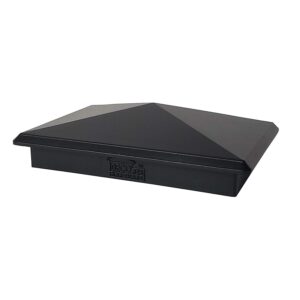

It would help other Canadian DIYers and contractors to know:
- What kind of fence or deck project did you use it for?
- What post size, fastener, or installation method did you use?
- Did the product fit and perform as expected?
- Would you recommend it for a similar project?
An installed photo is welcome but optional. With your permission, we may display your comments and photo on our website or in related marketing.
Thanks,
[Name]
[Store name]
SMS
Hi [First name], how did your [post caps/deck screws/gate hardware] work on your project? A short review mentioning the fence or deck type, fit, and installation would help other shoppers. Photo optional. Review here: [link]
The message works because it asks for usable information, not exaggerated enthusiasm. Customers can be honest about what went well and what could be clearer, which gives your team product and support feedback alongside the testimonial.
Match the channel to your operation
Use the channel that fits the way your orders move:
- Post-purchase email: Best for automated requests tied to delivery and product data.
- Packing slip QR code: Useful for trade counters, repeat orders, and customers who won't open marketing emails.
- Support follow-up: Appropriate after a product question has been resolved or installation guidance has helped.
- On-site follow-up: Contractors and property managers may respond better to a personal message after a completed job.
A short request, a clear project prompt, and an optional photo usually outperform a vague appeal for “feedback.”
Collecting Text, Photos, and Video the Right Way
A contractor who installs gate hardware may answer a written question, while a homeowner choosing a decorative post cap may prefer showing the finished result. Each testimonial format addresses a different buying concern. Star ratings are quick to scan, written reviews explain fit and installation, project photos show the product in place, and video adds voice and context.
Give customers a low-friction way to submit text first. Offer richer formats where visual proof helps, such as decorative post caps, gate inserts, or completed fence hardware. Asking every buyer for a polished video reduces participation without improving every product page.
Keep each submission simple
For written feedback, use one main question with an optional follow-up: “What did you use this product for, and how did it fit your project?” The wording encourages useful details about a deck, fence, gate, post size, or installation method.
Photo requests should show the target clearly. Ask for an installed post cap, finished gate, or close-up of the hardware in use. Remind customers to exclude faces, house numbers, licence plates, and other personal details unless they deliberately want to share them.
For video, provide a prompt instead of a production brief:
“Tell us what you built, which product you used, and whether installation went as expected.”
A clear phone recording can work well when the customer gives permission and speaks audibly. Keep the prompt open enough for the customer's own wording. Over-scripted answers sound like advertising and carry less trust.
Add consent before collection
Separate permission to submit a review from permission to reuse it. A practical consent statement can read:
I confirm that this review reflects my current opinion and experience with the product. I give [store name] permission to display my review, first name, city or trade, and any submitted image or video. I understand that any incentive or financial connection will be disclosed where required.
If the store offers a discount, gift, loyalty benefit, or other consideration, disclose it beside the submission button. Ask for honest feedback rather than positive feedback only. A store-controlled review area should not be presented as independent.
Choose the format that fits the buying decision
| Format | Best For | Effort to Collect | Where to Use |
|---|---|---|---|
| Star rating | Fast product comparison | Low | Product pages and collection filters |
| Written review | Fit, installation, service, and project context | Low to moderate | Product pages, email flows, and support content |
| Photo review | Installed appearance and workmanship | Moderate | Product pages, category pages, and social posts |
| Short video | High-consideration products and contractor credibility | Higher | Hero product pages, landing pages, and B2B campaigns |
Use the smallest format that answers the shopper's question. A written review may cover washers or screws adequately. A photo gives stronger evidence for a decorative finial or post cap, where finish and proportion affect the purchase.
The embedded example below reinforces the collection prompt: customers can describe what they built, identify the product, and explain whether installation met expectations. Use that structure when requesting clips, rather than asking for a general testimonial.
Editing and Formatting Testimonials for Product Pages
Editing should improve readability, not manufacture enthusiasm. Keep the customer's meaning, remove obvious filler, correct punctuation, and ask for approval if a proposed edit changes emphasis or context.
A review that says, “We used these on our backyard fence and they fit the true 6×6 posts without forcing the corners” is valuable because it addresses a known buying concern. A review that says only, “Amazing quality,” gives the customer almost nothing to compare.
Make the useful detail easy to see
Attribute the testimonial with the customer's permitted identifier, such as “Mike, Ontario contractor” or “Sarah, Ottawa.” A first name plus city or trade often provides enough context without exposing unnecessary personal information. Pair the quote with a thumbnail of the actual installed product when the customer has approved image use.
Keep these editing rules beside the content workflow:
- Keep project facts: Preserve details about post size, fence style, deck application, fastener type, and installation conditions.
- Keep balanced language: Don't remove a reasonable limitation if it helps the next shopper understand fit.
- Cut filler: Remove greetings, repeated words, and unrelated comments that obscure the useful point.
- Don't add claims: Never insert performance language the customer didn't provide or your product evidence can't support.
- Don't change the conclusion: A light edit must not turn a qualified comment into an unconditional endorsement.
Editing rule: If the revised version sounds stronger than the customer's original meaning, send it back for approval or use the original wording.
Place each format where the decision happens
For a hero SKU such as a 6×6 pyramid post cap, put a concise quote block beside the buy box. The customer is deciding at that point, so the testimonial should answer fit, finish, or installation questions without pushing the specifications below the fold.
A category page can use a horizontal carousel grouped by project type. A homepage can feature a highlighted card for B2B contractors, while a Klaviyo or Mailchimp flow can include a short testimonial snippet related to the item in the customer's cart. Joist hangers, carriage bolts, gate hinges, and deck screws each deserve testimonials tied to their own use case, not a shared block of general praise.

A product page should lead with relevance. A category page can broaden the story, showing that contractors and DIY homeowners use related products across different projects. Keep the visual hierarchy restrained so the review supports the purchase instead of competing with price, availability, shipping, and specifications.
Staying Legal Without Killing the Voice
A testimonial programme stays manageable when the team applies a short, consistent set of rules. Use real customers, preserve their current meaning, disclose material connections, and substantiate any product claim implied by the testimonial. That standard works for a Canadian catalogue selling post caps, screws, gate hardware, and related products, including campaigns that reach US shoppers.
US-facing advertising may bring the federal rule into scope. A testimonial is an advertising message that consumers are likely to believe reflects the opinion or experience of a real consumer or celebrity. The rule also addresses misleading representations that a business-controlled website or entity offers independent opinions about that business's own products or services. Keep the review source, wording, and publication context clear.
Apply a publication checklist
Before publishing a quote on a product page, email, social post, or advertisement, confirm:
- Authenticity: The customer exists, purchased or used the product, and supplied the words or media.
- Current status: The testimonial still represents the author's opinion, and the product has not materially changed in a way that makes the quote misleading.
- Connection disclosure: Any payment, discount, free product, employment relationship, or other financial interest is visible.
- Claim support: The business can substantiate performance claims suggested by the endorsement.
- Permission record: Store the submission, approval, date, permitted name, and permitted channels.
California rules provide a useful internal benchmark for cross-border campaigns. Under California testimonial advertising regulation, testimonials must be genuine and represent the author's current opinion. When material is reused after a long interval, confirm that the author still approves it. Disclose financial interests connected to the testimonial.
Use adaptable wording that keeps the disclosure close to the relevant review:
Incentive disclosure: “The customer received [discount or other consideration] for submitting feedback. The opinions expressed are the customer's own.”
Older testimonial review: “This testimonial was originally provided on [date] and was reconfirmed by the author before reuse.”
Substantiation remains the retailer's responsibility. If a customer testimonial implies that a product works for a particular purpose, the advertiser needs adequate support, including competent and reliable scientific evidence when appropriate, as explained in the FTC endorsement guidance. A customer's experience can show how a post cap, screw, or hinge performed in one project. It cannot establish every performance claim for every installation.

Keep records with the same care used for product specifications and returns. Your team should be able to identify where the review came from, what permission was granted, and why the wording remains accurate. Direct customers to customer help resources when a testimonial raises a fit or installation question that requires a proper support answer.
Measuring Impact and Keeping Testimonials Fresh
A testimonial programme needs a measurement plan tied to shopping behaviour and support workload. Track add-to-cart rate on selected products, product-page conversion on pages with testimonials against comparable pages without them, and email click-through when reviews appear in a product flow.
Review support tags alongside sales results. A testimonial may answer questions about fit, finish, fasteners, or delivery, while recurring questions can reveal gaps in product descriptions. For post caps, deck screws, gate hinges, and joist hangers, record the product, submission date, source, project details, and consent status.
Use a simple operating rhythm
First 30 days: Select a small product group, add a verified review request, create consent fields, and document each submission.
By 60 days: Place relevant testimonials beside the buy box, add approved snippets to email flows, and compare results with the same pages before publication. Check whether prompts produce useful installation or project context.
By 90 days: Collect photos or video for products where appearance matters, audit older testimonials, and create an approval queue for campaigns. Reconfirm older material before reuse when an applicable rule or internal policy requires it.
Review performance and compliance together. Claims about a product working for a particular purpose need adequate support, including competent and reliable scientific evidence where appropriate, as noted earlier in the endorsement guidance. Track conversion and support-volume changes, then publish endorsements only when the evidence is sound and reuse permission is documented.
XTREME EDEALS INC. offers post caps, finials, balusters, gate hardware, fasteners, joist hangers, and other deck and fencing accessories through a CAD-priced online catalogue. Visit XTREME EDEALS INC. to browse products, compare project-relevant specifications, and build a testimonial-ready hardware buying experience for your next fence, deck, or gate project.